The popularity of Accessory Dwelling Units (ADUs) has surged, offering a valuable solution for expanding housing options, especially in urban areas. As more people opt for ADUs, ensuring their safety and privacy becomes paramount. This beginner's guide examines the essential aspects of ADU privacy and security, addressing a pressing need for homeowners and tenants alike. We'll explore the legal framework, from local building codes to state laws, and empower you with practical resources. Understanding the unique security challenges of ADUs, we'll provide insights into specialized services, industry trends, and community support, all tailored to enhancing your adu-privacy-and-security.
- Understanding ADU Privacy: Essential Basics
- Securing Your ADU: Initial Steps for New Owners
- Access Control: Restricting Entry & Enhancing Privacy
- Lighting & Surveillance: Safeguarding Your Space
- Locking Down Exterior: Fortifying Your ADU's Entry Points
- Indoor Security Measures: Protecting Your Belongings
- Technology & Apps: Smart Solutions for ADU Security
- Legal Considerations: ADU Privacy & Security Regulations
Understanding ADU Privacy: Essential Basics

Understanding ADU Privacy: Essential Basics
Privacy in an Accessory Dwelling Unit (ADU) is more than just doors and windows. It's a comprehensive approach to security and safety that considers both the physical and digital realm. Start by familiarizing yourself with local building codes and state laws, like the ADU Privacy Act, which outline requirements for privacy and security. Think of this as your foundational layer-ensuring your ADU meets minimum safety standards.
Many cities have specific guidelines on lighting, fencing, and access points to protect residents' privacy. Once these basics are in place, consider integrating smart security systems. These digital tools, accessible through apps, allow you to monitor your ADU remotely, set automated lights, and receive alerts on your phone. Local police departments often offer resources for emergency preparedness, and some neighborhoods even have dedicated watch apps that connect residents for added security.
When renting out your ADU as a vacation property, privacy becomes even more critical. Implement additional measures to ensure tenants' comfort and safety, such as installing privacy screens or landscaping that blocks neighboring views. Services like Consumer Reports offer valuable insights into the latest privacy-focused technology, while independent testing labs verify the effectiveness of security products. Online marketplaces are another resource for finding specialized privacy and security solutions tailored to ADUs.
Lastly, don't underestimate the power of community support. Local ADU security services can provide expert advice and installation, while community groups focused on aging in place or assistive technology can offer guidance on enhancing privacy and security for seniors. Emergency preparedness is a key aspect of ADU privacy, so keep nearby emergency contact lists updated and easily accessible. By combining these practical steps and leveraging available resources, you'll create a robust adu-privacy-and-security system that keeps your space safe and your mind at ease.
Securing Your ADU: Initial Steps for New Owners
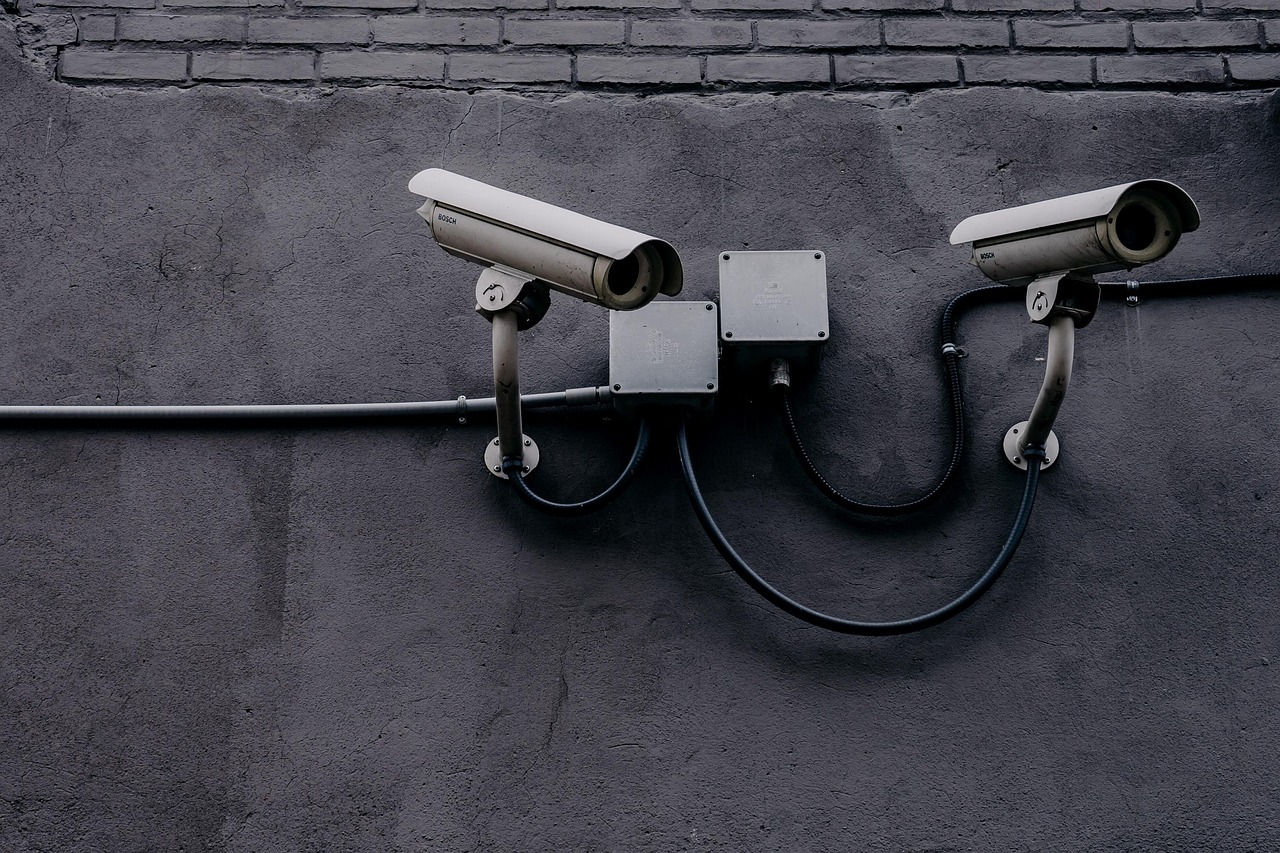
Securing your ADU (Accessory Dwelling Unit) is a crucial step for new owners, offering both peace of mind and a robust investment. The initial security measures you take can greatly impact the safety and privacy of your space, especially as an ADU often presents unique challenges. A key first step is understanding the legal framework. Local building codes and the ADU Privacy Act, for instance, dictate what's permissible in terms of security installations. These regulations ensure that your chosen security measures align with community standards and your rights as an ADU owner.
Professional ADU security audits are highly recommended for new owners. These audits assess your property's security vulnerabilities and provide tailored recommendations. A local security expert or contractor can conduct these audits, ensuring your ADU meets the required standards. They might suggest installing a robust door lock system, motion sensors, or a security camera network. Emergency ADU security measures are paramount, especially if you're away from the property or have guests staying. This includes ensuring easy access for emergency services and installing devices that detect and alert authorities in case of intrusion.
When considering ADU security for students away at college, a different set of priorities emerges. The focus shifts to deterring break-ins and providing remote access for essential maintenance or visits. Smart locks and security apps that allow access control from a distance are popular choices. These systems can be integrated with neighborhood-watch apps, creating a community-based security network. Some apps allow you to monitor your ADU's security camera feed from your smartphone, ensuring peace of mind while your students are away at college. Regularly reviewing and updating your ADU's security measures is essential, reflecting changes in your personal circumstances and local security landscapes.
Access Control: Restricting Entry & Enhancing Privacy
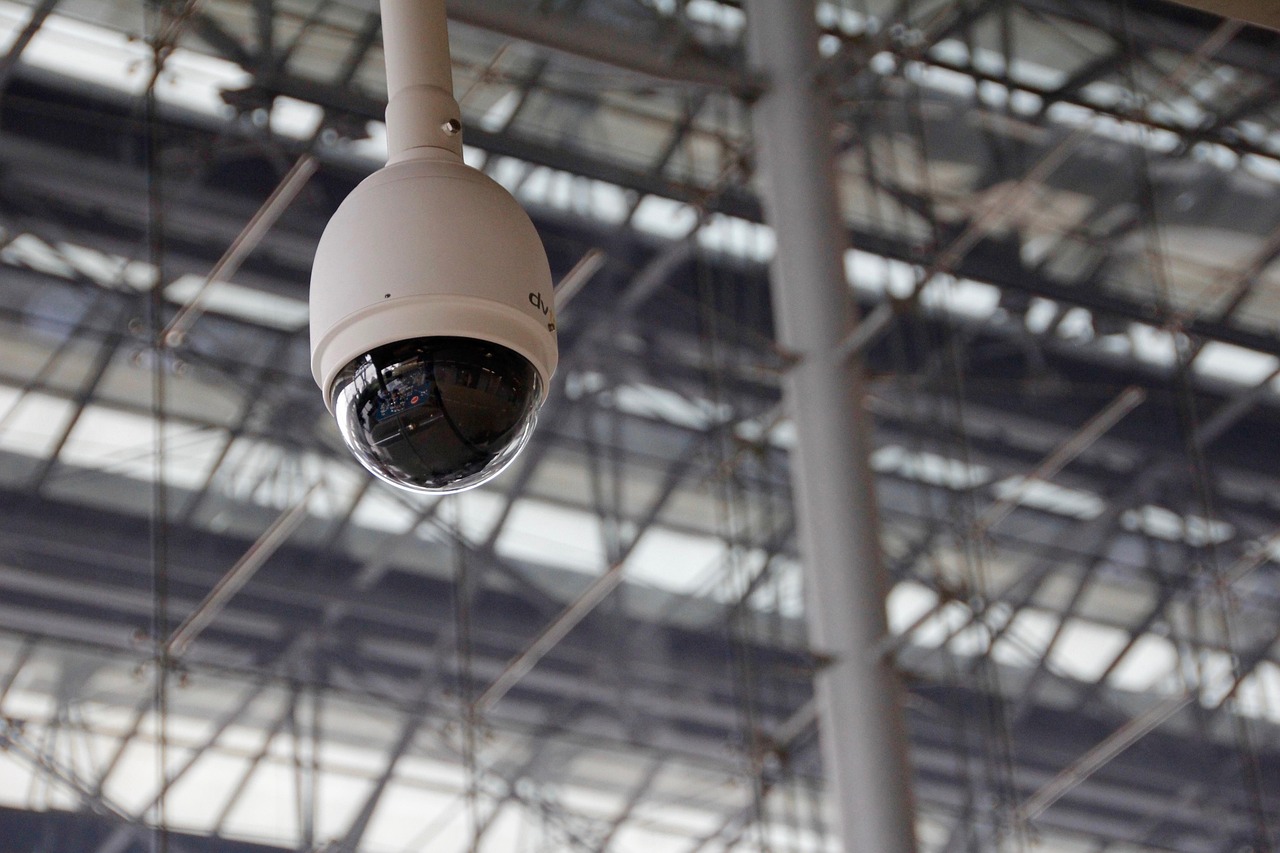
Access control is a critical component of ADU privacy and security, especially for students away at college or vacation rentals. By restricting entry, you can ensure the safety and comfort of occupants, whether they're residents or guests. One of the simplest yet most effective methods is implementing a robust lock system. High-security locks with advanced keyless entry technology can be integrated with your ADU management software, allowing you to remotely monitor and control access. This not only enhances convenience but also fortifies security.
To locks, access control systems can include biometric scanners, such as fingerprint or facial recognition technology, which offer an extra layer of protection. These niche ADU security services are becoming more common as technology advances, providing peace of mind for homeowners and tenants alike. Local building codes often mandate certain security measures, so it's essential to familiarize yourself with these regulations. The ADU Privacy Act and state laws also play a significant role in shaping the security landscape, ensuring that your privacy and safety are legally protected.
For vacation rentals, implementing smart home security systems can be a major improvement. These systems allow you to remotely arm and disarm alarms, monitor cameras, and control lighting, all through a single app. Many services also offer emergency contact lists and integration with local police departments, providing rapid response in case of a break-in or other security incidents. Community support groups and neighborhood watch apps can further bolster security, fostering a sense of safety among residents. By combining these measures, you can create a secure environment that meets the unique needs of your ADU, whether it's a residence for students or a lucrative rental property.
Lighting & Surveillance: Safeguarding Your Space
Lighting and surveillance are critical components of ADU privacy and security, offering peace of mind and enhancing the overall safety of your space. When setting up an ADU (Accessory Dwelling Unit), proper illumination can deter potential intruders while also making your property more accessible and inviting, especially at night. Consider installing motion-activated lights around your ADU and perimeter, ensuring adequate coverage of entry points, windows, and common areas. These types of lighting systems are not only cost-effective but also easy to install and maintain, making them an affordable ADU privacy solution.
Surveillance systems are another essential tool for enhancing security. Top-rated ADU privacy companies offer a range of options, from basic cameras to comprehensive, internet-connected systems. Wireless cameras with night vision and motion detection are popular choices, providing clear images and alerts without the clutter of wires. Place these cameras strategically-at entry points, common areas, and windows-to monitor activity and deter unwanted visitors. Many modern systems can even integrate with your smartphone, allowing you to remotely access live feeds and alerts, a feature particularly valuable for homeowners away from their property for extended periods.
To ensure optimal adu-privacy-and-security, consider combining these lighting and surveillance measures with other practical steps. Maintaining well-lit pathways and landscaping around your ADU can serve as a visual deterrent, while signing and labeling entry points clearly informs visitors and emergency responders. Keeping your property free of clutter and securing valuable items can reduce potential targets for theft. Local building codes and the ADU Privacy Act provide a legal framework that supports your right to security and privacy, further emphasizing the importance of proactive measures.
Regular maintenance and testing are key to keeping your ADU security systems effective. Check lights and cameras regularly, ensuring they function properly and are free from obstructions. Stay updated on local police department guidelines and neighborhood watch apps, which can provide valuable resources and community support for enhancing security. By integrating these practical insights and affordable ADU privacy solutions, you can transform your ADU into a secure, peaceful retreat, reflecting the growing trend of aging in place and the need for senior-friendly security systems.
Locking Down Exterior: Fortifying Your ADU's Entry Points
Securing your Accessory Dwelling Unit (ADU) is paramount for both your peace of mind and legal compliance. The exterior entry points are a critical line of defense, as they're the primary point of access for both occupants and potential intruders. A robust security strategy starts with fortifying these points, ensuring both the safety of your space and privacy.
A same-day ADU security installation can provide immediate protection. Consider implementing high-quality locks and bolts on doors and windows, ensuring they meet current Local Building Codes and any specific ADU Privacy Act requirements. Regularly test these mechanisms to confirm their integrity, replacing them as necessary. Many contractors offer quick-turnaround services for such installations, catering to the time-sensitive needs of ADU owners.
Emergency preparedness is another key aspect of ADU security. Maintain a well-stocked emergency kit within easy reach, and ensure all occupants know its location. Consider installing emergency contact lists near entry points and within the ADU, allowing quick notification of authorities or nearby Local Police Departments in case of an incident. Some neighborhood watch apps even integrate with smart home systems, providing real-time alerts and enhancing community security.
Regular security reviews are essential for identifying potential vulnerabilities. ADU privacy reviews by independent testing labs or online marketplaces can assess your current security setup and offer tailored recommendations. These reviews ensure you're not just meeting minimum requirements but actively maximizing the safety and privacy of your ADU. Staying proactive about your exterior security not only protects your investment but also contributes to the overall safety and security of your community.
Indoor Security Measures: Protecting Your Belongings
Protecting your belongings within your ADU (Accessory Dwelling Unit) involves implementing robust indoor security measures. These measures safeguard your personal property from potential threats, offering peace of mind in your new living space. Start by ensuring your entry points are secure. This includes installing sturdy doors with advanced locking mechanisms, such as deadbolts or keyless entries with access codes. For added protection, consider adding security cameras or alarm systems designed specifically for ADUs. These devices can be linked to a central monitoring system or a smartphone app, allowing you to remotely monitor your property and receive alerts in real time.
While basic security measures are essential, certain niche ADU security services cater to specific needs, like monitoring for water leaks or fire hazards. These services are invaluable for protecting your investment and ensuring prompt response to potential issues. Local companies often offer tailored packages, including emergency ADU security measures like 24/7 monitoring and rapid dispatch services for plumbing or electrical emergencies. Some providers have partnerships with local police departments, ensuring swift action during break-ins or other crises.
Regular maintenance and checks are crucial, too. Schedule routine inspections to verify the integrity of your security system and address any vulnerabilities. Many ADU owners also rely on community support and local resources. Neighborhood Watch apps, for example, foster a sense of community safety by enabling residents to share information and keep an eye out for suspicious activity. Consult consumer reports and independent testing labs to research and select reliable security products that meet your ADU's unique requirements, aligning with the evolving legal framework and best practices outlined in the ADU Privacy Act and state laws.
Technology & Apps: Smart Solutions for ADU Security
For affordable ADU security for seniors, technology and apps offer smart, modern solutions to enhance privacy and protect your space. Smart locks and security systems can be controlled remotely via a smartphone app, allowing you to monitor access even when you're away. This is particularly valuable for ADU vacation rentals, where managing guest check-ins and check-outs can be streamlined and secure.
Licensed ADU security professionals recommend integrating multiple layers of protection. Video surveillance cameras with motion sensors can deter potential intruders while providing peace of mind. Pair this with access control systems that use biometric data or unique codes instead of traditional keys for enhanced security. These advanced measures ensure that only authorized individuals can enter your property, safeguarding sensitive areas and personal belongings.
Beyond hardware, there are apps designed to centralize and simplify security management. These applications can notify you of any suspicious activity, like unauthorized entry attempts or prolonged occupancy, enabling prompt action. Many also offer emergency contact integration, allowing you to quickly connect with local police departments or neighborhood watch programs. By combining these technological advancements, you can create a robust security framework tailored to your ADU's unique needs, ensuring both privacy and safety for residents and guests.
Legal Considerations: ADU Privacy & Security Regulations
For ADU security, understanding the legal landscape is paramount. The Housing and Urban Development (HUD) and local Building Codes set the framework for ADU construction and operation, but specific adu-privacy-and-security regulations vary widely by state and municipality. Some areas may mandate specific security features or emergency notification systems in ADUs, while others have no specific rules. It's crucial to consult local laws and engage with local ADU security experts who know the nuances of these regulations.
The ADU Privacy Act and state laws further delineate rights and responsibilities regarding ADU security and privacy. As an ADU becomes a separate dwelling, it's treated like any other residential property, with its own set of security and privacy considerations. This means ensuring proper access control, secure communication channels, and adequate protection against property damage and personal harm. Cost-effective ADU security can be achieved through a combination of physical measures like robust locks and security cameras, along with digital solutions such as smart home systems and neighborhood watch apps.
Engaging with trusted ADU security consultants can be invaluable. These professionals can conduct comprehensive adu-privacy-and-security reviews, testing the effectiveness of existing security systems and offering recommendations for improvements. They stay updated on the latest industry trends, including advancements in assistive technology and senior-friendly security systems, ensuring your ADU is both safe and supportive for its inhabitants. They can assist with emergency contact lists and integration with local police departments and community support groups, creating a robust safety net for your property and its occupants.
Frequently Asked Questions About ADU Security 101: A Beginner's Guide to Protecting Your Space
What is an ADU, and why does security matter? An Accessory Dwelling Unit (ADU) is a separate, standalone residential structure on a property, often added to provide extra living space or rental income. Security is essential for ADUs due to the increased risk of break-ins and property damage. With more people living in these spaces, ensuring safety and privacy is crucial for peace of mind.
How can I secure my ADU from common threats? Implement physical security measures like sturdy doors and windows, high-quality locks, and motion sensors. Consider a security system with monitoring services for 24/7 protection. Regularly maintain and upgrade security features, and practice good habits like locking doors and windows, even when briefly leaving the premises.
What are some affordable ways to enhance ADU security? Affordable options include installing security cameras, especially visible ones, to deter potential intruders. Simple yet effective measures like adding exterior lighting and trimming vegetation to enhance visibility can also be budget-friendly. Using smart locks and door sensors that send alerts to your phone is another cost-effective way to stay informed.
Should I invest in a professional security assessment for my ADU? Absolutely. A professional assessment can identify vulnerabilities and provide tailored recommendations. They offer expertise in local regulations and security trends, ensuring your ADU meets safety standards. This service is invaluable for addressing potential issues before they become problems.
Can I monitor my ADU security remotely, and what technology should I use? Yes, remote monitoring is possible with security systems that offer cloud-based apps. These allow you to view live feeds, receive alerts, and control settings from your smartphone or computer. Popular technologies include IP cameras, motion sensors, and Z-wave or Zigbee smart home devices, all compatible with various security platforms.
How do I choose the right security system for my ADU? Consider your budget, desired level of control, and specific security needs. Research local providers and read reviews to ensure reliability. Look for systems with versatile options, easy installation, and clear, responsive customer support. Customization and adaptability are key to a system that fits your unique ADU requirements.
Are there local laws or regulations I should know about when securing my ADU? Familiarize yourself with local building codes and zoning regulations regarding ADUs. Some areas have specific security requirements, such as exterior lighting or signage. Checking with your city's planning department or a local security expert ensures compliance and avoids potential fines.
Securing an Accessory Dwelling Unit (ADU) involves a multi-faceted approach to adu-privacy-and-security, as highlighted in this practical guide. By understanding the legal framework, from local building codes to the ADU Privacy Act, property owners can ensure compliance and peace of mind. Implementing initial security measures, such as access control systems, robust lighting, and surveillance, creates a strong first line of defense. Fortifying exterior entry points with high-quality locks and security features is crucial, while indoor measures protect valuables and personal belongings. Leveraging technology and apps offers smart, convenient solutions, and being aware of legal considerations ensures that your ADU operates within the prescribed regulations.
Practical next steps include reviewing local laws and seeking expert advice when necessary. Installing security cameras, alarms, and access controls tailored to your needs is recommended. Engaging with local police departments and community watch programs can enhance neighborhood security. Regular maintenance and upgrades to security systems are vital, especially as technology evolves. Finally, staying informed about industry trends, such as aging in place and assistive technology, ensures that your ADU remains a safe and secure space for its occupants.
ADU Privacy and Security Summary:
Securing your Accessory Dwelling Unit (ADU) involves a multi-layered approach:
- Legal Framework: Understand local building codes and the ADU Privacy Act to ensure compliance and safety.
- Initial Security: Prioritize robust entry points with high-quality locks and bolts, testing regularly.
- Emergency Preparedness: Maintain emergency kits, contact lists, and integrate with neighborhood watch apps.
- Interior Security: Implement strong door and window locks, security cameras, and alarm systems for ADU protection.
- Niche Services: Explore ADU-specific security services for water leak detection, fire hazards, etc.
- Community Support: Utilize local resources, apps, and consumer reports for security products and community safety.
- Senior-Friendly Tech: Leverage smart locks, video surveillance, and biometric access control for enhanced privacy and security.
- Legal Compliance: Consult local laws and experts to navigate adu-privacy-and-security regulations, ensuring rights and responsibilities are met.
- Professional Reviews: Engage trusted consultants for adu-privacy-and-security audits, offering tailored recommendations and staying updated on industry trends.