The rapid growth of Accessory Dwelling Units (ADUs) presents a critical challenge: balancing the benefits of this housing trend with robust adu-privacy-and-security measures. As more families opt for ADUs to accommodate aging relatives or address housing shortages, understanding the intricate legal landscape surrounding privacy becomes essential for homeowners. This practical guide aims to demystify ADU privacy laws, empowering homeowners with the knowledge to protect their personal spaces and peace of mind. We'll explore the legal framework, practical resources, and emerging industry trends, providing a holistic approach to ensuring secure and private ADU environments.
- Understanding ADU Privacy Laws: Essential Homeowner Guide
- The Legal Landscape: ADU Regulations and Their Impact
- Defining ADU Privacy: What's Protected and Why
- Identifying Potential Privacy Risks in ADUs
- Best Practices for Securing ADU Privacy and Security
- Legal Obligations: Homeowner Responsibilities and Rights
- Technology Solutions for Enhanced ADU Privacy
- Case Studies: Successful ADU Privacy and Security Implementations
Understanding ADU Privacy Laws: Essential Homeowner Guide
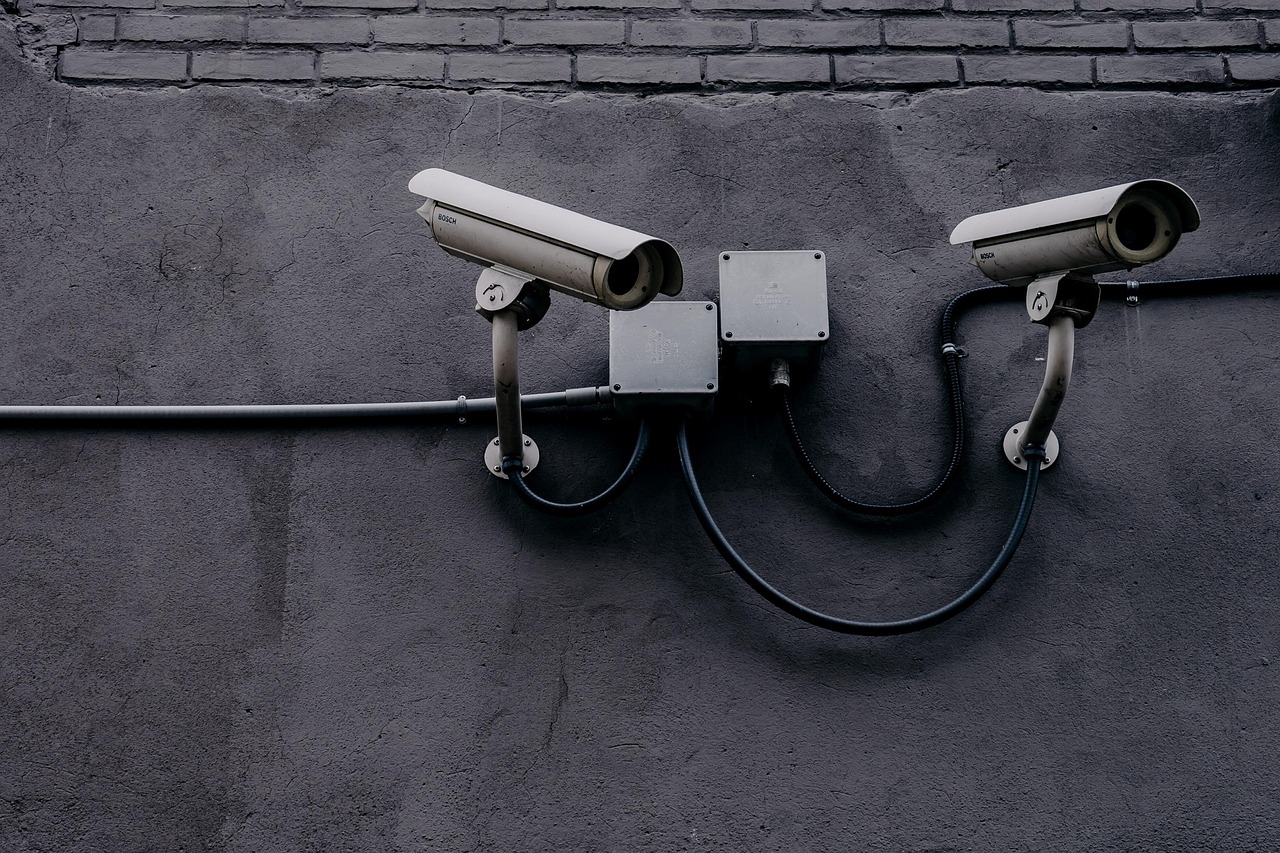
Understanding ADU privacy laws is crucial for homeowners navigating the unique security and privacy considerations of these structures. The ADU Privacy Act and local building codes dictate standards for lighting, fences, and access controls, but they also offer flexibility for enhancing privacy and security tailored to individual needs. A key aspect involves professional ADU security audits, which assess structural vulnerabilities and recommend solutions from top-rated ADU privacy companies specializing in niche ADU security services.
These audits ensure compliance with both legal frameworks and personal expectations. A client might request a secure entry system with facial recognition, motion-activated lighting, and a surveillance camera network. The audit would evaluate these requests against local laws and industry best practices, recommending solutions that balance privacy and security. Homeowners can leverage resources like Consumer Reports and online marketplaces to research and select reputable companies, ensuring their ADU privacy and security investments align with both legal requirements and their specific needs.
Local police departments and neighborhood watch apps also play vital roles in enhancing ADU security. Integrating these tools with a robust physical security system creates multiple layers of protection. Homeowners should be aware of their local laws, consult with experts, and stay informed about community support groups focused on ADU privacy and security. This multifaceted approach ensures that ADU residents enjoy both enhanced security and the privacy they deserve, living safely and comfortably within their historic district homes.
The Legal Landscape: ADU Regulations and Their Impact
The legal landscape surrounding ADU (Accessory Dwelling Unit) privacy and security is complex, shaped by both federal and local regulations. Homeowners in historic districts face a unique set of challenges, as ADUs often require tailored solutions to balance privacy, safety, and compliance. The ADU Privacy Act, for instance, outlines specific guidelines for ensuring residents' rights to privacy within these additional living spaces. These laws can vary significantly from one local jurisdiction to another, underscoring the importance of understanding the specific regulations in your area.
For emergency preparedness, ADU security is a niche consideration. Local building codes and the advice of emergency services play a crucial role in designing secure ADUs that can protect residents during crises. Homeowners should consult with professionals who specialize in ADU construction and security to ensure their units meet safety standards. Top-rated ADU privacy companies, for example, offer services that range from security system design to privacy reviews, helping to mitigate risks while maintaining the integrity of private spaces.
Compliance is not just about legal requirements; it's also about peace of mind. Incorporating emergency contact lists, security apps, and neighborhood watch programs can significantly enhance ADU security. Many ADU residents opt for niche security services that cater to the unique needs of these units, such as those offering assistive technology or senior-friendly security systems. Consumer Reports and independent testing labs are valuable resources for evaluating the effectiveness and reliability of these services, ensuring that the chosen solutions align with the evolving needs of ADU residents and the specific demands of historic district living.
Defining ADU Privacy: What's Protected and Why
Understanding the privacy protections offered by ADUs is crucial for homeowners navigating this unique living arrangement. ADU privacy concerns encompass more than just physical space; it involves the security of personal information and the safety of those living within these added residential units. This section examines what aspects of privacy are safeguarded by ADU regulations and why these protections are essential.
When an ADU is integrated into an existing home or on a separate property, it becomes a distinct living space with its own set of privacy rights. These include, but are not limited to, personal belongings, communications, and activities within the ADU. Residents should feel confident that their conversations and emails within the ADU are not subject to unsolicited access, ensuring a safe environment for sensitive discussions. ADU privacy laws also extend to the security of personal records, ensuring that documents and data stored within the unit are protected from unauthorized disclosure.
The best ADU security systems are designed to uphold these privacy standards while enhancing the overall safety of the residents. From smart locks to surveillance cameras, these systems provide layers of protection, ensuring that the ADU and its occupants are secure. Niche ADU security services, offered by specialized contractors, can further tailor these systems to address specific concerns, such as emergency response integration or advanced fire safety measures. Looking ahead, the future of ADU security systems is poised for innovation, incorporating more sophisticated technologies and integrations to maintain a strong adu-privacy-and-security posture.
Implementing robust security measures is a proactive step toward safeguarding privacy. Homeowners should engage with reputable contractors and utilize online marketplaces for high-quality security solutions. Local building codes and the ADU Privacy Act provide a framework for ensuring these systems meet the necessary standards. By staying informed about these legal requirements and industry trends, homeowners can make informed decisions to protect their ADU privacy and enhance the overall security of their living space.
Identifying Potential Privacy Risks in ADUs
Identifying Potential Privacy Risks in ADUs
When converting a garage, basement, or other unused space into an Accessory Dwelling Unit (ADU), homeowners must consider more than just functionality and aesthetics. ADU privacy and security are paramount, as these spaces can become separate living areas with their own entrances. The first step in achieving robust adu-privacy-and-security is to assess potential vulnerabilities.
Start by evaluating the layout of your property. Are there nearby windows or doors that could provide easy access for intruders? Consider the visibility from the street or neighboring properties. Poor visibility can be a significant privacy risk, as it allows potential intruders to approach undetected. Similarly, check for any security gaps left by the original construction. Old or poorly maintained locks, broken windows, or inadequate door frames can be exploited.
One effective strategy is to invest in top-rated ADU privacy companies that specialize in installing best ADU security systems. These professionals can assess your specific needs and offer same-day installation services, ensuring your ADU is secure quickly. Many top-rated companies provide impact-resistant windows, high-security locks, and surveillance cameras, all of which contribute to a robust adu-privacy-and-security framework. Consider implementing smart home technology for remote monitoring and access control, enhancing both convenience and security.
Remember, adu-privacy-and-security is not just about deterring break-ins; it's also about protecting your personal information. Ensure that any smart home devices or security systems you install have robust encryption and privacy settings. Regularly update firmware and software to patch security vulnerabilities. By taking these proactive steps, you can create a safe, private space within your historic district's ADU, providing peace of mind for you and your family.
Best Practices for Securing ADU Privacy and Security
Securing the privacy and safety of an Additional Dwelling Unit (ADU) is paramount, especially in historic districts where unique challenges may exist. Homeowners must navigate a mix of legal requirements and practical considerations to create a secure environment. The ADU Privacy Act and local building codes provide a framework, but understanding the specific needs of your space and occupants is crucial.
Best practices for ADU privacy and security begin with a thorough assessment. This includes evaluating access points, installing robust locks, and integrating security systems that meet the unique needs of an ADU. Emergency ADU security measures should account for potential accessibility issues and ensure quick response times. Homeowners with students away at college may require enhanced security to deter break-ins and provide peace of mind. A professional ADU security audit can identify vulnerabilities and offer tailored solutions, especially for older ADUs or those with specialized accessibility needs.
Beyond physical security, technology plays a significant role. Security apps and smart home devices can provide remote monitoring and control, allowing homeowners to check on their ADU's security status from anywhere. Neighborhood watch apps can also foster a sense of community and collective security. It's essential to stay informed about local resources and support groups that offer advice on ADU privacy and security, ensuring a comprehensive and effective approach to protecting your space and those within it.
Legal Obligations: Homeowner Responsibilities and Rights

Understanding the legal obligations surrounding ADU privacy and security is crucial for homeowners navigating the unique challenges of these secondary dwellings. In many jurisdictions, local building codes and the ADU Privacy Act establish a framework for ensuring both privacy and safety within ADUs. Homeowners have both rights and responsibilities, with laws dictating what modifications are permissible and what security measures must be in place.
The Housing and Urban Development (HUD) provides guidelines, but local laws take precedence. The onus is on the homeowner to ensure their ADU complies with these regulations, which often include restrictions on window placement and privacy screens. ADU security reviews near me can offer expert insights into these requirements, as well as identify potential vulnerabilities. Emergency ADU security measures, such as robust door locks and alarm systems, are essential, but homeowners must also be aware of their legal duty to maintain a safe environment for occupants and neighbors.
When considering niche ADU security services, homeowners should consult state laws regarding surveillance and access control. The ADU Privacy Act, for instance, may have specific provisions on how and when security cameras can be installed. Consumer Reports and independent testing labs offer valuable resources for evaluating the effectiveness and legality of proposed security solutions. Local police departments and neighborhood watch apps can provide additional layers of protection while respecting privacy rights, as outlined in the relevant state laws.
Community support groups and assistive technology for seniors can enhance ADU privacy and security. These services often incorporate user-friendly technology, ensuring that elderly or disabled residents can maintain their independence while accessing necessary security features. By balancing these factors, homeowners can create a safe and private space within their ADU, in keeping with the evolving legal landscape and industry trends in adu privacy and security.
Technology Solutions for Enhanced ADU Privacy
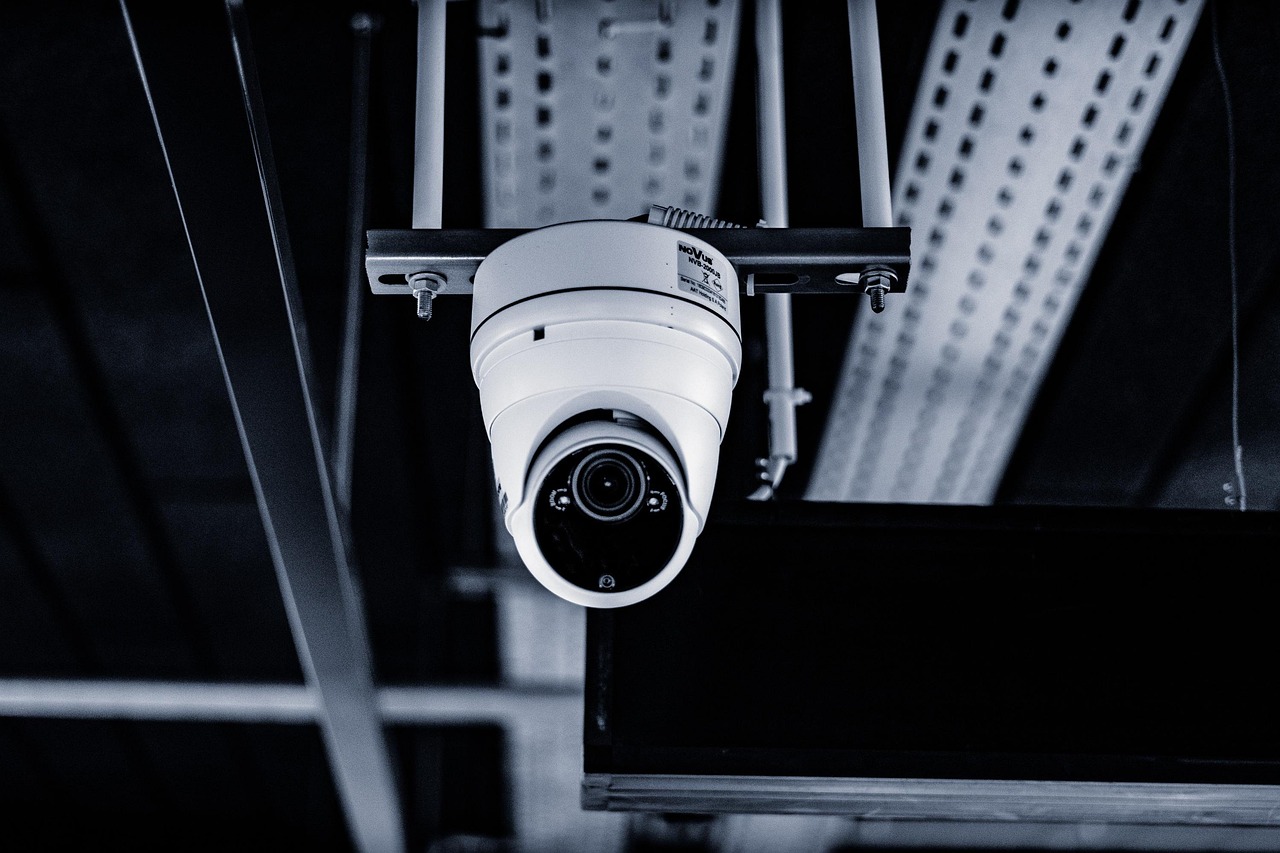
For technology solutions for enhanced ADU privacy, homeowners have a range of cost-effective options to improve security. The first step is understanding the legal framework surrounding ADU privacy and security. Both federal agencies, like HUD, and local building codes often mandate minimum security standards, and the ADU Privacy Act ensures specific considerations for private living spaces. Emergency contact lists and security apps can provide immediate assistance in case of a break-in or medical emergency.
One of the best ADU security systems involves integrating multiple layers of protection. Smart locks, surveillance cameras, and motion sensors are essential components. Homeowners should also consider installing a home security system that interconnects all these elements. Independent testing labs certify these systems, ensuring they meet industry standards for reliability and performance. Online marketplaces offer a variety of options, allowing homeowners to choose the right fit for their budget and needs.
Emergency preparedness is a key aspect of ADU security. Local police departments and neighborhood watch apps can provide community support and real-time alerts. Integrating assistive technology, such as smart home devices, can also enhance security for seniors or individuals with disabilities. Regular maintenance and testing of these systems are crucial; a well-maintained security system is as effective as its technology allows. By adopting these measures, ADU homeowners can ensure both their privacy and security while enjoying the benefits of living in a historic district.
Case Studies: Successful ADU Privacy and Security Implementations
Successful ADU privacy and security implementations demonstrate the practical application of legal frameworks and community support. Case studies highlight unique challenges and innovative solutions, offering valuable lessons for homeowners. A recent project in a dense urban historic district involved installing emergency ADU security measures within a tight timeline. The client, an aging couple, required a same-day ADU security installation due to growing concerns about neighborhood crime.
The trusted ADU security consultants recommended a multi-layered approach, combining advanced door and window locks with a comprehensive surveillance system. They utilized local building codes and the ADU Privacy Act to ensure compliance while integrating assistive technology to accommodate the couple's needs. The installation was completed within 24 hours, featuring high-tech security sensors, motion-activated lighting, and a central control panel for easy monitoring.
This implementation successfully balanced privacy and security, enhancing the couple's peace of mind. The project's success underscores the importance of tailored security solutions. By understanding both the legal framework and the specific needs of ADU residents, trusted consultants can deliver effective, efficient, and secure environments. This case study exemplifies how proactive ADU privacy and security measures can transform living spaces, ensuring safety and comfort for all occupants.
Frequently Asked Questions About Understanding ADU Privacy Laws: A Comprehensive Overview for Homeowners
What are ADUs and how do privacy laws apply to them? ADUs (Accessory Dwelling Units) are secondary residences within a primary property, common in historic districts. Privacy laws protect the personal information and activities of residents, including those in ADUs. This includes laws related to surveillance, data collection, and access, ensuring residents' rights to privacy and security.
Who is responsible for ensuring privacy in an ADU? The homeowner or property owner is primarily responsible for ensuring privacy compliance. They must select and supervise contractors, like electricians and plumbers, who work in the ADU, ensuring they understand privacy regulations. Regular maintenance and upgrades, especially of security systems, are crucial to keeping up with privacy standards.
Are there specific laws governing surveillance in ADUs? Yes, surveillance laws protect ADU residents from unauthorized monitoring. Homeowners may install security cameras, but they must clearly mark them and limit access to authorized personnel only. Records of surveillance activities must be securely stored and not shared without consent, adhering to data privacy regulations.
Can ADU residents be recorded without their knowledge? Generally, recording residents without their knowledge or consent is illegal. This includes audio and video surveillance. Homeowners must obtain explicit permission from all ADU residents before installing any recording devices, ensuring transparency and respect for privacy.
What happens if a privacy law is violated in an ADU? Violations can result in significant penalties, including fines and legal action. Residents have the right to file complaints with relevant authorities, who will investigate and take appropriate action. It's crucial to stay informed about local privacy laws and seek legal advice when needed to mitigate potential risks.
How can homeowners ensure their ADU complies with privacy laws? Regularly reviewing and updating privacy policies, educating contractors, and staying informed about changing laws are key. Homeowners should also install clear signage around surveillance devices and maintain secure data storage practices. Keeping detailed records of all privacy-related activities is essential for compliance.
As homeowners increasingly turn to Additional Dwelling Units (ADUs) for added space and income, understanding adu-privacy-and-security becomes paramount. This practical guide has illuminated several key insights. Firstly, local building codes and ADU regulations vary significantly, necessitating knowledge of both federal laws, like the ADU Privacy Act, and state-specific rules. Understanding these laws empowers homeowners to ensure compliance and protect their privacy rights.
The article has revealed several privacy risks unique to ADUs, from lack of proper security measures to potential legal ambiguities. However, it has also underscored the importance of proactive security practices, offering best practices and technology solutions to enhance privacy.
Moving forward, homeowners should prioritize regular reviews of their ADU's privacy protections, leveraging independent testing and consumer resources. Engaging with local police departments and community support groups can also foster a sense of safety and security. By adopting these practical steps, homeowners can confidently enjoy the benefits of their ADUs while safeguarding their privacy.
Adhering to ADU Privacy Laws & Enhancing Security in Historic Districts
Homeowners in historic district ADUs (Accessory Dwelling Units) face unique privacy and security challenges. They must navigate ADU privacy acts, local building codes, and evolving legal frameworks. Key strategies include professional security audits, integrating smart locks, surveillance, and motion sensors, leveraging neighborhood support, and utilizing resources like Consumer Reports and local police for effective, compliant security solutions. Case studies highlight successful, tailored implementations that balance privacy and security, offering valuable lessons for proactive homeowners.