
The rapid growth of Accessory Dwelling Units (ADUs) has brought significant changes to the housing landscape, with implications for privacy and security. As more communities embrace ADUs to address housing shortages and aging in place, ensuring the safety and security of these smaller living spaces has become paramount. This article explores the evolving adu privacy-and-security landscape, examining the legal frameworks guiding ADU development, the emerging digital solutions for enhanced security, and the community-focused initiatives aimed at making ADUs safer. By examining these trends, we aim to provide valuable insights for professionals and homeowners alike, ensuring that ADU privacy and security remain paramount in a dynamic market.
- Understanding ADU Privacy: Legal Frameworks and Rights
- Emerging Technologies: Smart Security Solutions for ADUs
- Physical Security Measures: Protecting ADU Occupants
- Network and Data Security: Safeguarding ADU Information
- Access Control: Balancing Privacy and Entry Management
- Surveillance Systems: Enhancing ADU Safety and Monitoring
- Community Engagement: Collaborative ADU Security Strategies
- Future Trends: Predicting ADU Privacy and Security Evolution
Understanding ADU Privacy: Legal Frameworks and Rights
The legal framework surrounding ADU privacy and security is evolving to meet the growing demand for multi-generational living spaces. Understanding these legal frameworks and your rights is crucial for both homeowners and contractors looking to install or enhance ADU security systems. Key pieces of legislation like the Housing and Urban Development (HUD) rules and state-specific ADU Privacy Acts ensure that residents' privacy and safety are protected. These laws often mandate clear lines of separation between ADU and main residence spaces, as well as secure entry and exit points, reflecting the increasing importance of ADU privacy and security.
Emergency preparedness is a critical component of ADU security, given the potential for isolated living situations, especially for seniors or individuals with disabilities. Local building codes and ADU security reviews near me should prioritize easy escape routes, well-lit paths, and robust communication systems. Homeowners should consider installing emergency contact lists and security apps that integrate with local police departments or neighborhood watch programs. These measures not only enhance safety but also align with best ADU security systems practices, ensuring that residents are protected and connected.
As the ADU market continues to grow, so does the demand for robust and user-friendly security solutions. Independent testing labs and online marketplaces offer valuable resources for evaluating and selecting the most suitable ADU security systems. Consumer Reports and ADU privacy reviews provide insights into the latest trends, helping consumers make informed decisions. Smart home security systems with remote monitoring capabilities have become increasingly popular, offering peace of mind for families and caregivers. Staying informed about these industry trends is essential for both ADU owners and professionals to keep pace with evolving needs in ADU privacy and security.
Emerging Technologies: Smart Security Solutions for ADUs
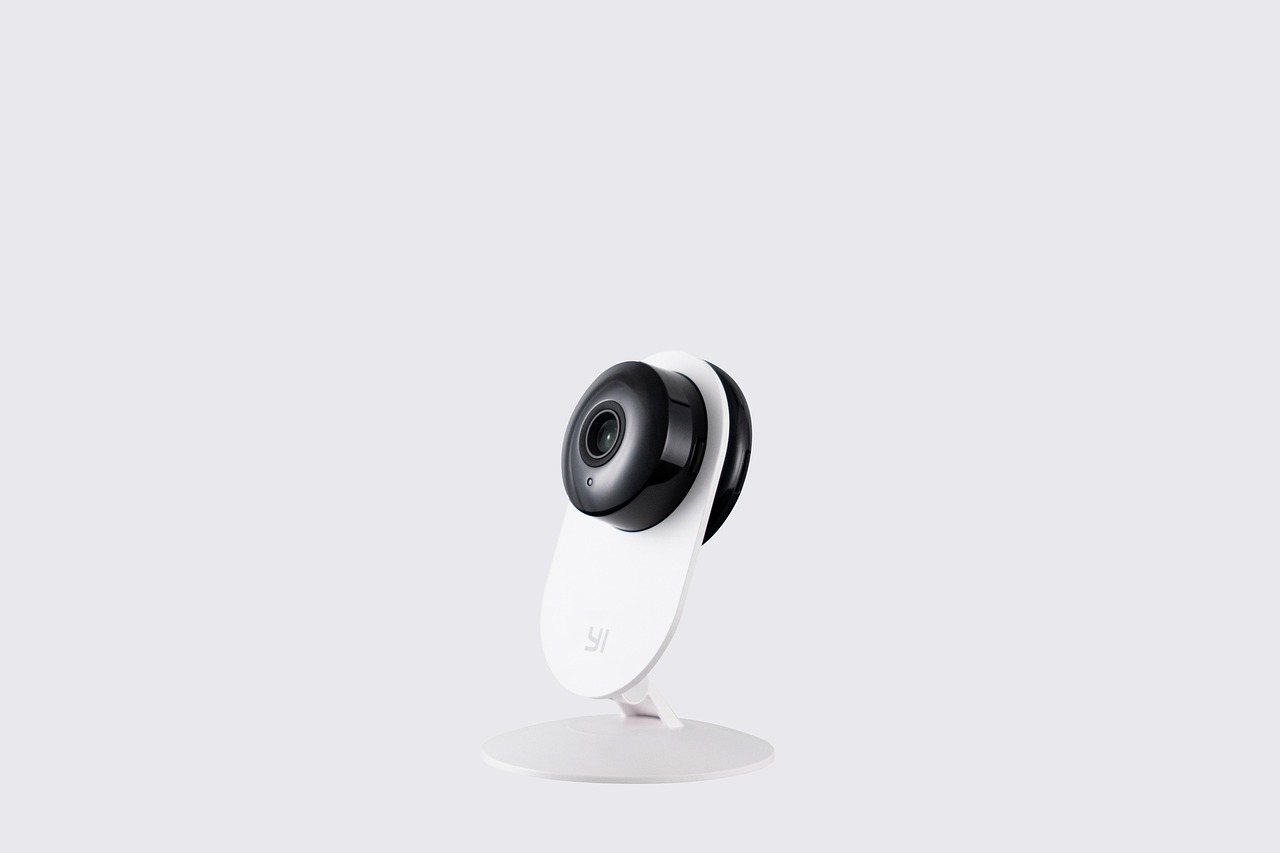
Emerging technologies are transforming the future of ADU security systems, offering innovative solutions to enhance privacy and protection for these multi-generational living spaces. As ADUs become more prevalent, especially for vacation rentals, ensuring robust adu-privacy-and-security measures is paramount. Smart security solutions integrate advanced technology with traditional safety protocols, providing homeowners and renters with advanced peace of mind.
One prominent trend is the adoption of smart home automation. Systems like Nest, Ring, and Arlo utilize AI and machine learning to detect unusual activity, monitor entry points, and notify residents of potential threats. These devices can differentiate between regular visitors and intruders, triggering alerts only when necessary. They often include features for remote access, allowing homeowners to check on their ADU from anywhere, ensuring quick response times in case of emergencies. Another promising technology is facial recognition, which can be integrated into door locks and security cameras, providing a layered defense against unauthorized access.
The best ADU security systems now offer interconnectedness and customization. Users can tailor their security packages to specific needs, selecting from a range of sensors, cameras, and alarms. Some systems even incorporate smart lighting and temperature controls, creating a more responsive and efficient living environment. These advanced systems not only deter potential intruders but also enable better emergency response coordination. Local police departments are increasingly collaborating with ADU security providers to offer emergency contact lists and rapid dispatch services, further enhancing community safety. This integration of advanced technology with local law enforcement reflects the evolving landscape of adu-privacy-and-security measures, ensuring that multi-generational living spaces remain safe, secure, and private.
Physical Security Measures: Protecting ADU Occupants

As the demand for affordable ADUs to accommodate multi-generational households increases, so does the need for robust adu-privacy-and-security measures. Physical security is a key concern for ADU occupants, especially seniors, who require safe and secure living environments. The most recent adu-privacy-and-security trends focus on enhancing physical security systems to protect residents while ensuring privacy.
The best ADU security systems integrate advanced technology with traditional safety protocols. Smart locks that allow remote access control and monitor entry points are becoming standard. Coupled with surveillance cameras and motion sensors, these systems provide real-time alerts to occupants and emergency contacts. Professional ADU security audits are gaining popularity, offering thorough assessments of existing security infrastructure. These audits identify vulnerabilities and recommend upgrades, ensuring that ADU owners implement the most effective security measures.
Affordable ADU security for seniors should include a comprehensive approach. Local building codes and the ADU Privacy Act provide a legal framework that experts can help navigate. Neighborhood Watch apps and emergency contact lists offer community-driven solutions, enhancing local security networks. Independent testing labs also play a crucial role, certifying the effectiveness of security systems and ensuring they meet industry standards. By combining these measures, ADU occupants can enjoy enhanced safety and peace of mind, knowing their privacy and security are prioritized.
Network and Data Security: Safeguarding ADU Information
As the demand for affordable multi-generational ADUs (Accessible Detached Units) grows, so does the need for robust adu-privacy-and-security measures. Network and data security are paramount, as these units often house sensitive personal information and serve as crucial living spaces for diverse generations. The rise of smart home technology, while offering convenience, introduces new security risks that must be mitigated.
One emerging trend is the integration of niche ADU security services tailored to the unique needs of these adaptable living spaces. These services go beyond traditional security systems, focusing on comprehensive adu-privacy-and-security solutions. Some providers offer remote access controls, allowing homeowners to monitor and manage access to their ADU from anywhere, enhancing privacy and security. Trusted ADU security consultants are increasingly leveraging independent testing labs and consumer reports to ensure the reliability and resilience of security systems against evolving cyber threats.
Affordable ADU privacy solutions are a key consideration, especially for older adults or those with limited budgets. Creative approaches include implementing simple yet effective measures like secure keyless entry systems and motion-activated lighting. Leveraging existing home security infrastructure for ADU monitoring can be a cost-effective strategy, utilizing security apps and neighborhood watch apps to create a layered defense. These measures not only safeguard personal data but also foster a sense of community and support, aligning with the broader trend of aging in place and community support groups.
The future of ADU security lies in proactive, holistic strategies that combine advanced technology with practical, affordable solutions. Staying informed about local building codes and state laws, as well as leveraging expert advice, is crucial for homeowners looking to protect their multi-generational spaces. By embracing these trends, the ADU industry can ensure that privacy and security are not just considerations but integral parts of the modern, inclusive home.
Access Control: Balancing Privacy and Entry Management
Access control systems are a critical component of adu-privacy-and-security, balancing the need for secure entry with the desire for privacy. As multi-generational living spaces become more prevalent, managing access to these intimate living areas is a top priority for homeowners and experts alike. The latest trend in adu security involves integrating smart access control technologies that offer both convenience and security. Biometric lock systems, which use fingerprint or facial recognition, are gaining popularity as a cost-effective ADU privacy solution. These systems not only ensure that only authorized individuals can enter but also provide a user-friendly experience, eliminating the need for keys or codes.
Top-rated ADU privacy companies are now focusing on enhancing these systems with AI capabilities. Machine learning algorithms can analyze patterns and adapt access rules dynamically, improving overall security. A system might learn the routines of residents and automatically adjust access times, ensuring that the ADU remains secure while allowing flexibility for residents' needs. Integrating access control with smart home devices creates a seamless, integrated security system. This allows homeowners to monitor and control access from their smartphones, providing peace of mind and an extra layer of protection.
Implementing these advanced access control measures doesn't have to be expensive. Cost-effective ADU security solutions are available that offer robust security without breaking the bank. Many of these systems leverage existing home infrastructure, such as Wi-Fi networks, and employ encryption protocols to ensure data security. DIY access control kits provide a do-it-yourself approach, allowing homeowners to create a tailored security system that aligns with their budget and privacy preferences. Smart door locks with cloud connectivity offer a simple and affordable way to add advanced security features to an ADU.
Affordable ADU privacy solutions are not only secure but also contribute to the overall living experience. By balancing access control with comfort and convenience, these systems cater to the unique needs of multi-generational households. As the industry continues to evolve, staying informed about the latest trends and technologies will ensure that ADU spaces remain safe, private, and welcoming for all residents.
Surveillance Systems: Enhancing ADU Safety and Monitoring
Surveillance systems are transforming the future of ADU security, offering enhanced safety and peace of mind for residents and their families. As multi-generational living becomes more prevalent, the need for robust yet affordable ADU privacy solutions is on the rise. These systems go beyond basic security, providing comprehensive monitoring and access control tailored to the unique needs of ADU dwellers.
The latest trends in ADU security systems involve integrating advanced camera technology with artificial intelligence for intelligent video analysis. This allows for real-time detection of unusual activity, unauthorized entry attempts, and potential safety hazards. Motion-activated cameras with facial recognition capabilities can alert residents to unfamiliar faces in their ADU, while smart door locks with biometric access can ensure only authorized individuals can enter. These technologies not only strengthen physical security but also offer valuable data for understanding and optimizing ADU safety protocols.
Cost-effective solutions are a key focus, especially for older adults or those on fixed incomes. DIY surveillance systems, available through online marketplaces, offer an affordable entry point into ADU security. These systems can be easily installed and monitored remotely via smartphone apps, providing quick access to live camera feeds and alerts. Local hardware stores and online retailers also offer a range of affordable, do-it-yourself security cameras and sensors, allowing homeowners to create a customized, cost-effective ADU security network.
Looking ahead, the future of ADU security systems promises further integration with smart home technology. Voice-controlled security systems, for example, can enhance accessibility for individuals with limited mobility. Community-based security apps and neighborhood watch programs, powered by local police departments, can foster a collaborative environment where ADU residents work together to ensure their safety. These community-focused solutions complement the technological advancements, creating a comprehensive and proactive approach to adu-privacy-and-security that meets the evolving needs of diverse households.
Community Engagement: Collaborative ADU Security Strategies
Community engagement is a crucial aspect of ADU (Accessible Dwelling Unit) security and privacy strategies, especially as the industry evolves to meet the diverse needs of multi-generational households and vacation rental markets. The collaboration between ADU developers, residents, and local authorities is vital to creating secure and private spaces that enhance the overall quality of life. One emerging trend is the integration of community-based security systems, where neighbors take an active role in monitoring and supporting each other's ADU privacy and security.
Some neighborhoods are adopting neighborhood watch programs specifically tailored for ADU residents. These initiatives involve regular meetings, communication channels, and shared security resources. Licensed ADU security professionals can play a key role in training and organizing these community groups, ensuring that everyone understands their responsibilities and rights regarding privacy. They can also assist in installing and maintaining security systems that integrate with local emergency contact lists, allowing for swift responses during incidents. By combining individual ADU privacy measures with collective community engagement, the industry can achieve a robust security framework.
The design and placement of ADUs themselves can contribute to enhanced security. ADU privacy options for renters, such as private entrances and separate utilities, can be incorporated into the building plan. These features not only respect the privacy of tenants but also reduce potential points of entry for unauthorized individuals. As the ADU market continues to grow, especially in areas with high real estate demand, these collaborative security strategies will become increasingly important. They foster a sense of community and empower residents to take charge of their ADU privacy and security, aligning with the broader trend of aging in place and the need for assistive technology in residential settings.
Future Trends: Predicting ADU Privacy and Security Evolution

As the ADU (accessory dwelling unit) market continues to grow, so do concerns about adu-privacy-and-security. The evolution of ADU living necessitates a proactive approach to safeguarding personal spaces, especially with diverse occupancies like vacation rentals and students away at college. Future trends in ADU privacy and security are driven by technological advancements, shifting legal landscapes, and a growing awareness of individual rights.
One prominent trend is the integration of smart home technology for enhanced security. Homeowners can now install automated door locks, motion-activated lighting, and security cameras that send real-time alerts to their smartphones. This not only provides a robust layer of protection but also allows owners to monitor their properties remotely. Local police departments and neighborhood watch apps are increasingly becoming interconnected with ADU security systems, enabling quicker response times to potential threats.
Another significant development is the specialization of ADU security services tailored to specific needs. As ADUs cater to a wide range of users, from students to vacationers, niche security options are emerging. For ADU privacy for vacation rentals, for example, property managers are adopting advanced access control systems that allow for remote check-ins and check-outs while ensuring guest confidentiality. Similarly, security services for students away at college can incorporate location-based alerts and personal safety apps, offering peace of mind for both parents and students.
The legal framework around adu-privacy-and-security is also expected to evolve. The ADU Privacy Act and state laws will likely become more stringent, reflecting the increasing importance of individual privacy in shared living spaces. This will necessitate ongoing education and compliance for ADU owners and service providers. Consumer Reports and independent testing labs will play a crucial role in certifying the effectiveness and privacy of new security technologies, ensuring that ADU residents can trust their safety measures. Community support groups and aging-in-place initiatives will also drive ADU security trends, emphasizing the importance of intergenerational living privacy and safety.
Frequently Asked Questions About ADU Security Trends: What's Next in the Industry?
What are the current security challenges for ADUs (Affordable Multi-Generational Units)?
ADUs, while offering essential housing solutions, face growing security challenges, from unauthorized access to fire safety concerns. Urbanization and increased density mean more potential entry points, making traditional security systems like alarm systems and locks inadequate. Newer threats like cyberattacks on smart home devices further complicate matters.
How is technology addressing these security issues?
Technology is a key player in enhancing ADU security. Smart locks, motion sensors, and security cameras integrated into ADU systems offer real-time monitoring and control. Artificial intelligence (AI) powered analytics can detect unusual activity patterns, while biometrics like fingerprint or facial recognition add another layer of protection.
Are there any new regulations or standards for ADU security?
While specific regulations vary by region, there's a growing emphasis on ADU security standards. Building codes are increasingly incorporating provisions for ADU security, focusing on fire safety, access control, and intrusion detection. Homeowners and contractors must stay informed about local requirements.
How can homeowners best protect their ADUs from theft or vandalism?
Beyond technology, robust security practices are crucial. This includes proper lighting, secure storage of valuable items, and establishing clear security protocols with neighbors. Installing security cameras with wide-angle lenses and high-resolution footage, coupled with regular system testing, further deter potential intruders.
What role does community awareness play in ADU security?
Community involvement is vital to ADU security. Neighbors can look out for suspicious activity and report it to relevant authorities. Building a supportive community network enhances safety and encourages proactive security measures among ADU owners.
As we look ahead, the landscape of adu-privacy-and-security is rapidly evolving, driven by technological advancements and shifting societal needs. Key trends, like smart home integration and surveillance system upgrades, signal a future where ADUs are not just safe, but seamlessly secure. Community engagement and collaborative strategies, as seen in successful neighborhood watch programs, offer valuable insights into enhancing ADU safety while fostering a sense of belonging.
Regulatory frameworks, including the ADU Privacy Act and state laws, continue to play a crucial role in protecting the rights of ADU occupants. Understanding these legal protections empowers residents and guides service providers, ensuring that privacy and security measures align with legal standards.
Looking forward, the industry's focus on adu-privacy-and-security will drive innovative solutions, improve access to information, and create safer, more inclusive living environments for all generations. By embracing these trends and adopting best practices, we can ensure that ADUs thrive as hubs of multi-generational living, combining comfort, security, and peace of mind.
The evolving legal landscape, technological advancements, and growing ADU market demand a robust and proactive adu-privacy-and-security approach. Key trends include smart home technology integration, specialized ADU security services for diverse occupancies, and stricter legal frameworks. Community engagement, cost-effective solutions, and collaborative security initiatives are vital to ensuring safe, private, and accessible ADU living for all.